
Can the food you eat give you a brain boost? Your brain is like a highly active supercomputer, and protecting it requires the right support.
While we often focus on nutrition for physical performance or body composition, keeping your brain in top condition is just as essential. Your diet, lifestyle, and even a few surprising supplements can play a major role in supporting your memory and cognitive function over the long term.
Jump to:
- Omega-3 Fatty Acids & Fish Oils
- Polyphenols: Eating the Rainbow
- Cholesterol and Brain Health
- Protective Dietary Patterns
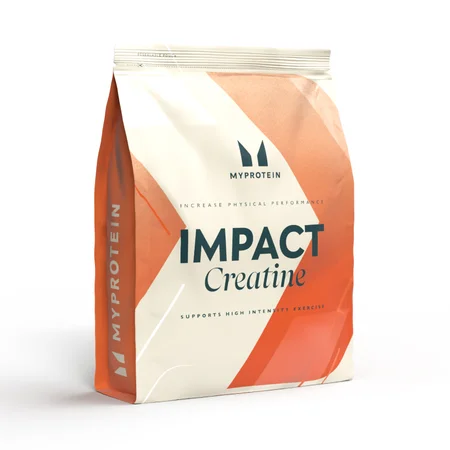
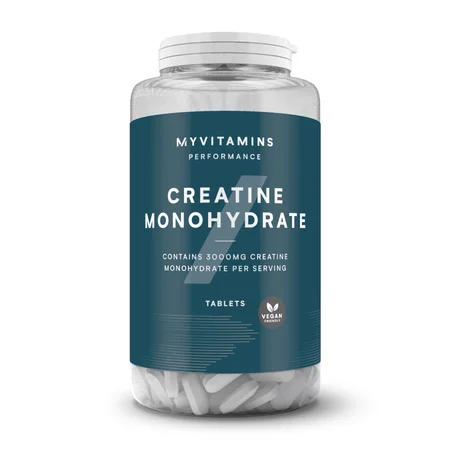
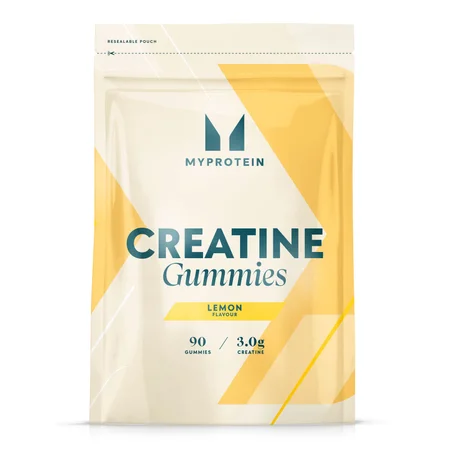
- Creatine: The Surprising Brain Supplement
- FAQs
Omega-3 Fatty Acids & Fish Oils
When it comes to well-known foods for brain health, long-chain omega-3 fatty acids top the list. The human brain consists of over 60% fat, with a massive proportion of that structure made up of essential fatty acids.1
One specific omega-3 fatty acid, docosahexaenoic acid (DHA), makes up the clear majority of those brain fats. Because a single fatty acid forms such a major component of our brain tissue, it strongly indicates a critical role in cognitive health. We know that DHA is essential for proper brain development and function, starting right from development in the womb.2
Population studies suggest that individuals who consume more DHA in their diet from fish tend to have a lower risk of declining brain function as they age.3 To understand if supplementation makes a difference, we look at intervention trials:
In one study observing older adults experiencing mild cognitive changes, high doses of DHA (around 2 grams per day) helped reduce the rate of natural brain shrinkage and supported hippocampal volume.4 There is also some evidence to suggest that long-chain omega-3 supplements may help slow cognitive decline and support general memory function in healthy older adults.5
While current research is promising, we don't have enough data to say these effects are entirely conclusive. However, because fish oils offer additional broad clinical benefits (including potential support for mental wellbeing, enhancing overall recovery and reducing muscle soreness from exercise, and actively helping to maintain healthy triglyceride levels), they are an excellent addition to your daily regime.6,7,8,9
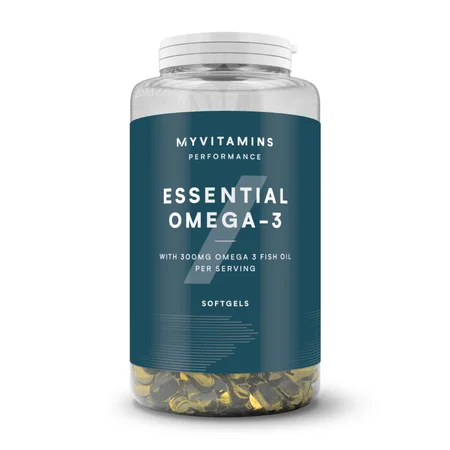
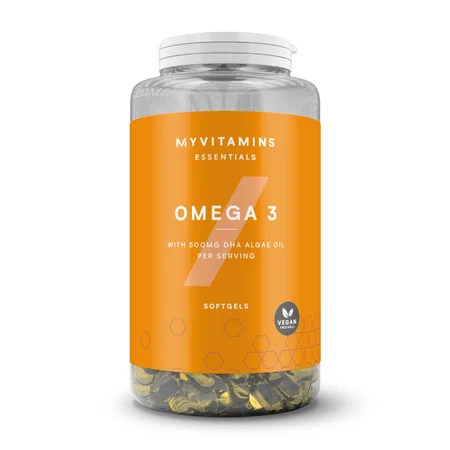
To boost your intake, consider regularly eating oily fish like salmon, mackerel, sardines, and trout. If you follow a plant-based diet, you can easily achieve the same benefits by opting for a vegan algal oil supplement.
Polyphenols: Eating the Rainbow
Polyphenols are a diverse group of plant-based chemicals that play a major role in human nutrition.10 These phytonutrients can be found across a wide variety of familiar plant foods, including green leafy vegetables, dark chocolate, berries, coffee, and tea.
Polyphenols are thought to work primarily by supporting the body’s natural antioxidant defences, helping to control free radicals, metabolic stress, and related inflammation.10 Additionally, certain polyphenols help support the endothelial function of your blood vessels, which can improve blood flow.10 Because robust blood flow is essential for your brain to function, this is a primary mechanism by which these plant compounds support cognition.
Population studies show that individuals with higher polyphenol intakes from fruit experience slower rates of brain ageing and cognitive decline. These findings are supported by controlled intervention studies:
The Blueberry Concentrate Study: Older adults consumed either a blueberry concentrate drink containing 387mg of anthocyanins (a type of polyphenol) or a calorie-matched placebo. After 12 weeks, the blueberry group demonstrated improved memory recall. MRI scanning also revealed greater activation in key areas of the brain and improved brain blood flow.11 The Wild Blueberry Powder Study: Conducted over six months in older adults experiencing mild cognitive difficulties, this study found that daily blueberry powder improved cognitive processing speed, even restoring it back towards normal reference levels.12
These benefits are not exclusive to older populations; high-polyphenol foods have been shown to support cognitive function in children and young adults as well.
To maximise your intake, focus on deeply coloured fruits and vegetables, as vibrant colours indicate a high concentration of polyphenols. Aiming to "eat the rainbow" ensures a wide variety of these protective compounds.
Don't forget your daily tea and coffee either, as these remain the primary sources of polyphenols for most populations globally.

Cholesterol and Brain Health
You might be surprised to learn that serious long-term conditions affecting memory, thinking and social abilities are among the leading causes of mortality in the UK, even overtaking historical frontrunners like heart health issues. Interestingly, brain health and cardiovascular health share several underlying traits.
Data from population studies show a distinct link between high levels of total and LDL cholesterol and the development of long-term cognitive decline. This link has been supported by Mendelian randomisation studies, which use genetic data to mimic giant clinical trials. These studies indicate that maintaining low LDL cholesterol may help lower the risk of developing advanced cognitive conditions in later life.
Crucially, research highlights that your cholesterol levels during midlife, rather than old age, matter the most. High blood cholesterol takes decades to build up plaques inside our blood vessels, and this process can occur within the brain. Over time, this gradual arterial damage can compromise brain function. In fact, common medical interventions used to lower cholesterol early in life have been shown to reduce the risk of developing cognitive issues down the road.
To support your long-term brain health via your diet, focus on strategies that maintain healthy total and LDL cholesterol:
Swap your fats: Replace saturated fats (found in fatty meats, full-fat dairy, coconut oil, and palm oil) with unsaturated sources like nuts, seeds, avocados, and olive oil. Aim to keep your total saturated fat intake below 10% of your daily calories. Increase dietary fibre: Focus on soluble fibre from sources like beans, peas, lentils, whole grains (such as oats and barley), and plenty of fruits and vegetables. Manage body composition: Maintain a healthy body weight and avoid excess calories, particularly those from saturated fats, refined carbohydrates, and sugars.
You do not need to cut out animal products entirely; simply choosing lower-fat variations of meat and dairy will help keep your saturated fat intake low.
As for dietary cholesterol found naturally in foods like eggs and prawns, it generally does not impact blood cholesterol levels for about two-thirds of the population. However, roughly one-third of people are "cholesterol hyper-responders," meaning dietary cholesterol does raise their blood levels. If you are actively struggling to manage your blood cholesterol and consume a large volume of eggs or prawns, it may be worth eliminating them for a month and retesting your blood markers to see if it helps.

Why Fibre is So Good For You + 28 High-Fibre Foods
Good news: Popcorn made the list...
Protective Dietary Patterns
While individual nutrients are highly valuable, your overall dietary pattern is what dictates long-term success. A diet that is naturally low in saturated fat, rich in polyphenols, high in soluble fibre, and packed with long-chain omega-3s is ideal for both vascular and brain health.
The Mediterranean diet ticks every single one of these boxes. It is heavily associated with better cognitive function and a lower risk of age-related cognitive issues. Similarly, the DASH diet, originally designed to optimise blood pressure, shows strong links to superior cognitive health.
The power of these dietary structures was explicitly demonstrated in the landmark FINGER trial in Finland (the Finnish Geriatric Intervention Study to Prevent Cognitive Impairment and Disability).13 This trial utilised a Nordic-style diet recommendation, which closely mirrors the Mediterranean framework. After two years, the intervention group displayed significantly better cognitive performance and a lower risk of cognitive decline across multiple areas, including executive function, processing speed, and complex memory tasks.
Importantly, the FINGER trial demonstrated that brain health extends beyond just food. The successful intervention combined a healthy diet with regular exercise and cognitive training. To keep your brain firing as you age, ensure you are prioritising regular physical activity, managing your blood pressure, staying insulin sensitive, keeping socially and mentally active, and securing sufficient sleep.
Creatine: The Surprising Brain Supplement
To finish up, there is one highly popular supplement that many individuals are completely surprised to find supports brain performance: creatine.
The very same supplement widely celebrated for boosting power and performance in the gym can also enhance your cognitive performance. Just like your muscles, your brain is an incredibly metabolically active organ. It relies heavily on creatine to rapidly supply large amounts of energy during periods of intense mental activity.
As we age, naturally occurring creatine levels within the brain tend to decrease, making external supplementation increasingly important. However, the cognitive benefits apply to younger populations too, showing documented improvements in short-term memory tasks among young adults. Furthermore, a daily creatine supplement may be uniquely beneficial for vegetarians and vegans, who naturally maintain lower baseline levels of creatine in both their muscles and their brains due to the absence of meat in their diets.
While scientists are still establishing the definitive optimal dose specifically for cognitive health, a standard daily dose of 5 grams, the exact amount used to maximise muscular power, is the benchmark used in the majority of brain health research to date.
Frequently Asked Questions
Can plant-based eaters get the same brain benefits as those who eat fish?
Yes. While oily fish is a primary source of the essential brain fat DHA, those following a plant-based diet can achieve identical cognitive support by taking a vegan algal oil supplement.
How exactly do berries and plant compounds support the brain?
Fruits like blueberries are packed with polyphenols. These compounds support your body’s natural antioxidant defences to control metabolic inflammation. They also improve the endothelial function of your blood vessels, actively enhancing blood flow and brain perfusion.
Why should I worry about my cholesterol levels now if I am only in midlife?
Arterial damage and plaque buildup from high cholesterol take decades to accumulate. Because this process happens inside the blood vessels of the brain, managing your total and LDL cholesterol during midlife is crucial to prevent compromised cognitive function in later life.
Does eating eggs or prawns raise blood cholesterol levels?
For roughly two-thirds of the population, dietary cholesterol has no impact on blood cholesterol markers. However, about one-third of people are "cholesterol hyper-responders" whose blood levels do rise from dietary sources.
Does a brain-healthy lifestyle rely solely on nutrition?
No. As demonstrated by the landmark FINGER trial, optimal brain health requires a combined approach. Long-term cognitive sharpness relies on a healthy diet paired with regular physical exercise, cognitive training, managing blood pressure, staying socially active, and getting enough sleep.
What is the recommended dose of creatine for cognitive performance?
While research is still establishing a definitive dose exclusively for the brain, a standard daily dose of 5 grams (the standard amount used for gym performance) is the benchmark currently used in most cognitive health studies.
Take Home Message
Protecting your cognitive health requires a proactive, long-term approach to nutrition. By prioritising long-chain omega-3 fats, incorporating a vibrant variety of high-polyphenol fruits and vegetables, and actively managing your cholesterol levels through smart lifestyle adjustments, you can directly support your brain's processing speed and memory recall.
Combining these habits with proven dietary patterns like the Mediterranean diet and smart additions like creatine will keep your body's most important supercomputer running smoothly for years to come.


- Weiser, M. J., Butt, C. M., & Mohajeri, M. H. (2016). Docosahexaenoic acid and cognition throughout the lifespan. Nutrients, 8(2), Article 99. https://doi.org/10.3390/nu8020099
- Lauritzen, L., Brambilla, P., Mazzocchi, A., Harsløf, L. B. S., Ciappolino, V., & Agostoni, C. (2016). DHA effects in brain development and function. Nutrients, 8(1), Article 6. https://doi.org/10.3390/nu8010006
- Zhang, Y., Chen, J., Qiu, J., Li, Y., Wang, J., & Jiao, J. (2016). Intakes of fish and polyunsaturated fatty acids and mild-to-severe cognitive impairment risks: A dose-response meta-analysis of 21 cohort studies. The American Journal of Clinical Nutrition, 103(2), 330–340. https://doi.org/10.3945/ajcn.115.124081
- Zhang, Y. P., Miao, R., Li, Q., Wu, T., & Ma, F. (2017). Effects of DHA supplementation on hippocampal volume and cognitive function in older adults with mild cognitive impairment: A 12-month randomised, double-blind, placebo-controlled trial. Journal of Alzheimer’s Disease, 55(2), 497–507. https://doi.org/10.3233/JAD-160447
- Alex, A., Abbott, K. A., McEvoy, M., Schofield, P. W., & Garg, M. L. (2019). Long-chain omega-3 polyunsaturated fatty acids and cognitive decline in non-demented adults: A systematic review and meta-analysis. Nutrition Reviews, 78(7), 563–578. https://doi.org/10.1093/nutrit/nuz073
- Sublette, M. E., Ellis, P. S., Geant, A. L., & Mann, J. J. (2011). Meta-analysis of the effects of eicosapentaenoic acid (EPA) in clinical trials in depression. The Journal of Clinical Psychiatry, 72(12), 1577–1584. https://doi.org/10.4088/JCP.10m06634
- Black, K. E., Witard, O. C., Baker, D., Healey, P., Lewis, V., Tavares, F., … & Macartney, M. J. (2018). Adding omega-3 fatty acids to a protein-based supplement during pre-season training results in reduced muscle soreness and the better maintenance of explosive power in professional Rugby Union players. European Journal of Sport Science, 18(10), 1357–1367. https://doi.org/10.1080/17461391.2018.1491626
- Tsuchiya, Y., Yanagimoto, K., Nakazato, K., Hayamizu, K., & Ochi, E. (2016). Eicosapentaenoic and docosahexaenoic acids-rich fish oil supplementation attenuates strength loss and limited joint range of motion after eccentric contractions: A randomised, double-blind, placebo-controlled, parallel-group trial. European Journal of Applied Physiology, 116(6), 1179–1188. https://doi.org/10.1007/s00421-016-3371-x
- Shearer, G. C., Savinova, O. V., & Harris, W. S. (2012). Fish oil: How does it reduce plasma triglycerides? Biochimica et Biophysica Acta (BBA) – Molecular and Cell Biology of Lipids, 1821(5), 843–851. https://doi.org/10.1016/j.bbalip.2011.10.011
- Ruskovska, T., Maksimova, V., & Milenkovic, D. (2020). Polyphenols in human nutrition: From the in vitro antioxidant capacity to the beneficial effects on cardiometabolic health and related inter-individual variability: an overview and perspective. British Journal of Nutrition, 123(3), 241–254. https://doi.org/10.1017/S000711451900277X
- Bowtell, J. L., Aboo-Bakkar, Z., Conway, M. E., Adlam, A. R., & Fulford, J. (2017). Enhanced task-related brain activation and resting perfusion in healthy older adults after chronic blueberry supplementation. Applied Physiology, Nutrition, and Metabolism, 42(7), 773–779. https://doi.org/10.1139/apnm-2016-0550
- Cheatham, C. L., Canipe, L. G., 3rd, Millsap, G., Stegall, J. M., Chai, S. C., Sheppard, K. W., & Lila, M. A. (2023). Six-month intervention with wild blueberries improved speed of processing in mild cognitive decline: a double-blind, placebo-controlled, randomised clinical trial. Nutritional Neuroscience, 26(10), 1019–1033. https://doi.org/10.1080/1028415X.2022.2117475
- Kivipelto M, Solomon A, Ahtiluoto S, Ngandu T, Lehtisalo J, Antikainen R, Bäckman L, Hänninen T, Jula A, Laatikainen T, Lindström J, Mangialasche F, Nissinen A, Paajanen T, Pajala S, Peltonen M, Rauramaa R, Stigsdotter-Neely A, Strandberg T, Tuomilehto J, Soininen H. The Finnish Geriatric Intervention Study to Prevent Cognitive Impairment and Disability (FINGER): study design and progress. Alzheimers Dement. 2013 Nov;9(6):657-65. doi: 10.1016/j.jalz.2012.09.012. Epub 2013 Jan 17. PMID: 23332672.


